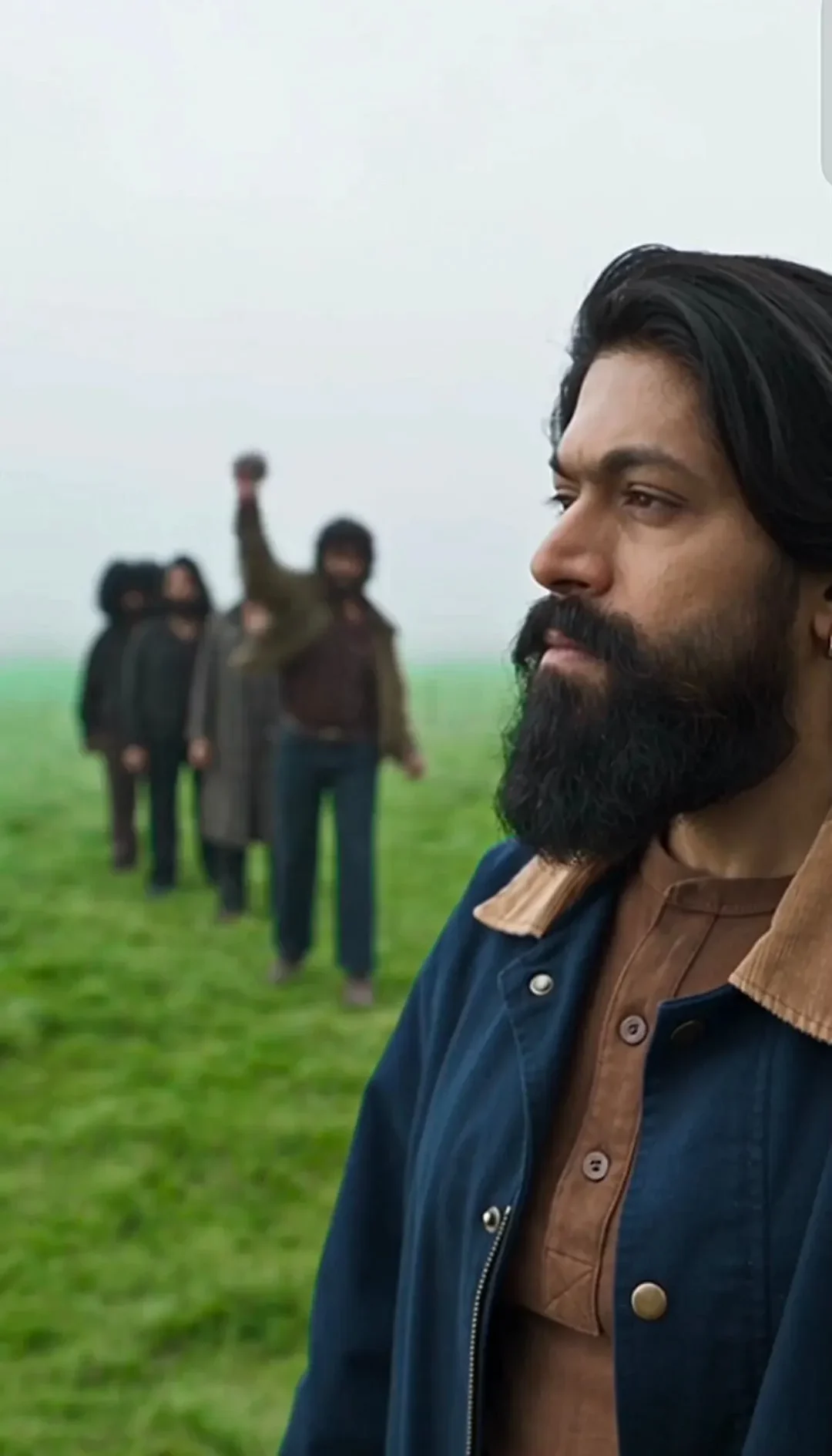
Have you ever imagined building a beautiful stone castle using nothing but your creativity and artificial intelligence? AI video generation has opened up exciting opportunities for creators who want to turn simple ideas into visually impressive stories. One interesting concept is showing a person collecting stones, arranging them carefully, and gradually transforming an empty landscape into a magnificent castle.
Create Your Own Viral Stone Castle AI Video with Google Flow is a creative idea that combines realistic environments, satisfying construction scenes, and cinematic storytelling.
Instead of recording an entire construction process with a camera, AI-generated scenes can help represent each stage of the transformation. This type of content can be particularly interesting for short-form video platforms because viewers enjoy watching gradual transformations and visually satisfying results.
Why Stone Castle Transformation Videos Attract Viewers
Transformation videos are interesting because they show a clear difference between the beginning and the final result. An empty piece of land slowly becoming an impressive Create Your Own Viral Stone Castle AI Video with Google Flow and curiosity with encourages viewers to watch until the final scene. The construction process also provides several opportunities for creative storytelling, including stone collection, foundation preparation, wall construction, tower development, and final decoration.
A well-planned castle-building Ai video Edit can combine realistic textures with beautiful environmental details. For example, a peaceful countryside location, natural sunlight, green surroundings, and an old-fashioned stone structure can create an attractive visual atmosphere. Another important element is continuity. When the same location, character, and castle design remain consistent throughout the scenes, the complete transformation feels more believable and professionally presented.
Exploring Google Flow for Cinematic AI Video Creation
- Google Flow is an AI filmmaking tool designed to help creators develop cinematic clips, scenes, and visual stories.
- It works with Google’s generative AI models and supports different creative inputs, including written descriptions, reference images, and video frames.
- These capabilities make it suitable for planning imaginative projects involving architecture, landscapes, and visual transformations.
- One useful feature is the ability to work with reference materials to maintain visual consistency between different generations.
- Creators can also develop variations of a scene and refine their ideas using natural-language instructions. Available features, generation limits, and video models can vary depending on the subscription plan and region.
- Therefore, checking the currently supported options is important before planning a complete project. Google Flow is best understood as a creative production environment rather than simply a basic video editing application.
Writing Detailed AI Prompts for Realistic Castle Construction
A detailed prompt can make a significant difference in the final appearance of an AI-generated construction video. Rather than describing only a person building a castle, explain the complete visual environment and the intended actions. Include details about the character, clothing, stone materials, landscape, lighting, camera perspective, and architectural design.
For example, a creative scene might feature a person collecting natural stones beside a countryside pathway before arranging them to form the foundation of a small medieval castle. Another scene could show the gradual development of stone walls, while a later scene introduces decorative towers and a completed entrance. Mentioning realistic textures, natural movements, consistent character appearance, and cinematic lighting can help communicate the intended result. Clear descriptions are generally more useful than unnecessarily complicated prompts.
Maintaining Character and Castle Consistency Across Scenes
One common challenge in AI-generated storytelling is maintaining the same appearance across multiple video clips. A character might look slightly different between The Create Your Own Viral Stone Castle AI Video with Google Flow Edit generations, while the castle’s architecture or surrounding landscape may also change unexpectedly. This can affect the continuity of the overall story. Reference images and carefully planned scene descriptions can help reduce these differences. Decide on the character’s clothing, physical appearance, castle structure, stone colour, and environmental details before developing the complete sequence. Reusing consistent visual references can help the AI understand the intended design. It is also useful to describe how much construction has been completed in each scene. For example, the first scene can show an empty location, while the following scenes gradually introduce the foundation, walls, towers, and finished structure. This creates a more connected visual experience.
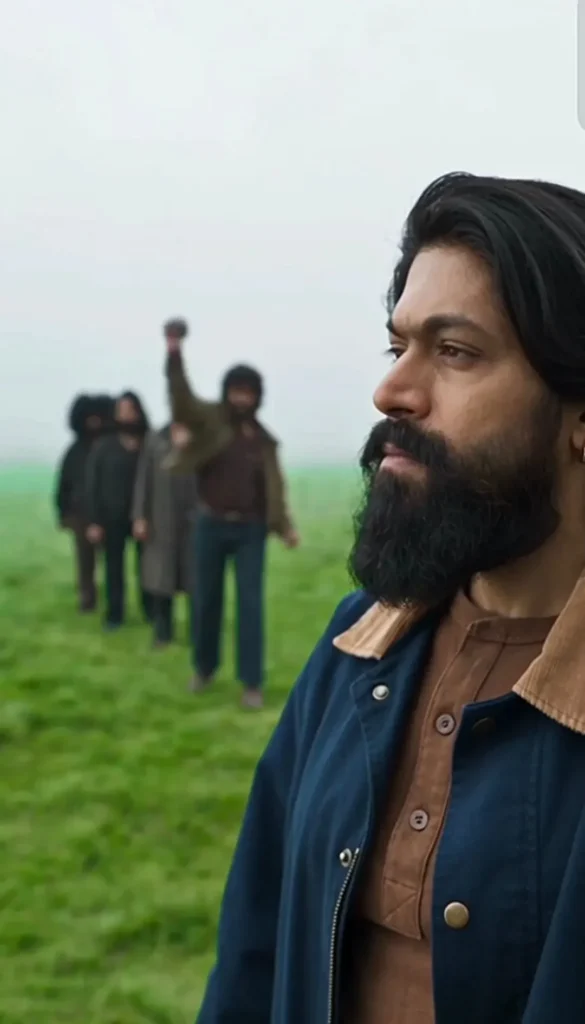
Use @video1 as the strict reference for all actions, gestures, interactions, timing, camera movements, framing, and pacing.

SUBJECT REPLACEMENT: Replace ONLY the main subject (the person collecting stones, building the wall, and standing atop the castle) with @image1. Maintain 100% identity consistency with @image1—preserving their exact facial structure, hairstyle, skin tone, body proportions, and distinctive details. Hair must strictly match @image1, never the long red hair from @video1.

WARDROBE LOCK: The main subject must wear the exact outfit shown in @image1 (identical clothing type, colours, and style) continuously from the first frame to the last, never the navy jacket from @video1. If @image1 shows a partial outfit, seamlessly extrapolate the remaining garments in matching style and colours.

STRICT FRAME-BY-FRAME TIMELINE (Main subject is exclusively @image1 in every shot, with zero bleed-through of the original subject):
- 0.0–1.7s: Side-profile close-up in a foggy green field, calm and peaceful expression, eyes slowly closing. A small group of people stands in a line far in the background while a few small stones drop softly onto the grass.
- 1.7–3.6s: Low ground-level camera angle. The main subject walks in, crouches, and calmly gathers the small stones from the grass one by one; the background group stands watching.
- 3.6–4.2s: Close-up shot of the main subject’s hands carefully placing a stone onto the grass.
- 4.2–5.0s: The main subject kneels and arranges the stones into a neat, straight stone path.
- 5.0–6.0s: Calm and focused, the main subject stacks stones onto a growing dry-stone wall; the wall visibly increases in height with each cut.
- 6.0–6.4s: The main subject peers over the top edge of a tall, round stone wall.
- 6.4–7.8s: Through rapid cuts, the stone castle expands into a grand structure with added towers and gates; the main subject appears small standing atop the castle wall.
- 7.8–8.9s: Wide establishing shot of the completed castle rising above thick fog; the main subject stands tiny at the summit of the main tower while the small group of people stands far below on the grass.
- 8.9–9.4s: Low-angle close-up of the main subject’s face looking down toward the camera with a calm, proud expression and a subtle smile.
- 9.4–10.0s: High top-down perspective looking down from the castle at the small group of people standing on the fog-surrounded grass, gazing upward.

SCENE & ENVIRONMENT LOCK: Keep the background group of people completely unchanged from @video1. Preserve the exact original environment, castle architecture, fog density, natural lighting, 10-second duration, and shot sequence. Maintain a calm, inspiring, and peaceful atmosphere throughout.

NEGATIVE CONSTRAINTS: original subject's face, long red hair, navy jacket outfit, wardrobe changes between cuts, identity swapping, blended facial features, appearance drift, altered choreography or timing, extra characters, distorted facial anatomy, extra limbs, flickering, new environments, subtitles, text, watermarks.
Combining AI-Generated Clips into a Professional Video
- After creating the individual scenes, arranging them into a meaningful sequence is an important part of the production process.
- Google Flow includes Scenebuilder, which supports arranging multiple clips, changing their order, trimming their beginning and ending points, and previewing the complete sequence.
- These features can help turn separate generations into a connected visual story.
- For social media content, a vertical 9:16 composition is a popular choice because it fits the viewing format of Instagram Reels, Facebook Reels, and YouTube Shorts.
- Additional editing can improve the final presentation through suitable background music, natural sound effects, simple transitions, and short text overlays.
- Keep the opening scene interesting and allow the castle transformation to develop gradually.
- Before publishing, review the complete video to check visual consistency, audio balance, scene timing, and overall presentation.
Conclusion
Artificial intelligence has made creative video storytelling more accessible by offering new ways to develop imaginative scenes without traditional filming equipment. A simple concept involving stones, construction, and an unfinished landscape can become an engaging cinematic transformation when supported by detailed descriptions and consistent visual references.
Create Your Own Viral Stone Castle AI Video with Google Flow is an exciting creative concept for exploring AI filmmaking, architectural storytelling, and satisfying visual transformations. The most important part is developing an original idea and presenting it through well-connected scenes. Experimenting with different castle designs, landscapes, lighting conditions, and camera perspectives can produce distinctive results. With careful planning and thoughtful editing, creators can turn an ordinary construction concept into an entertaining visual story that captures attention across social media platforms.