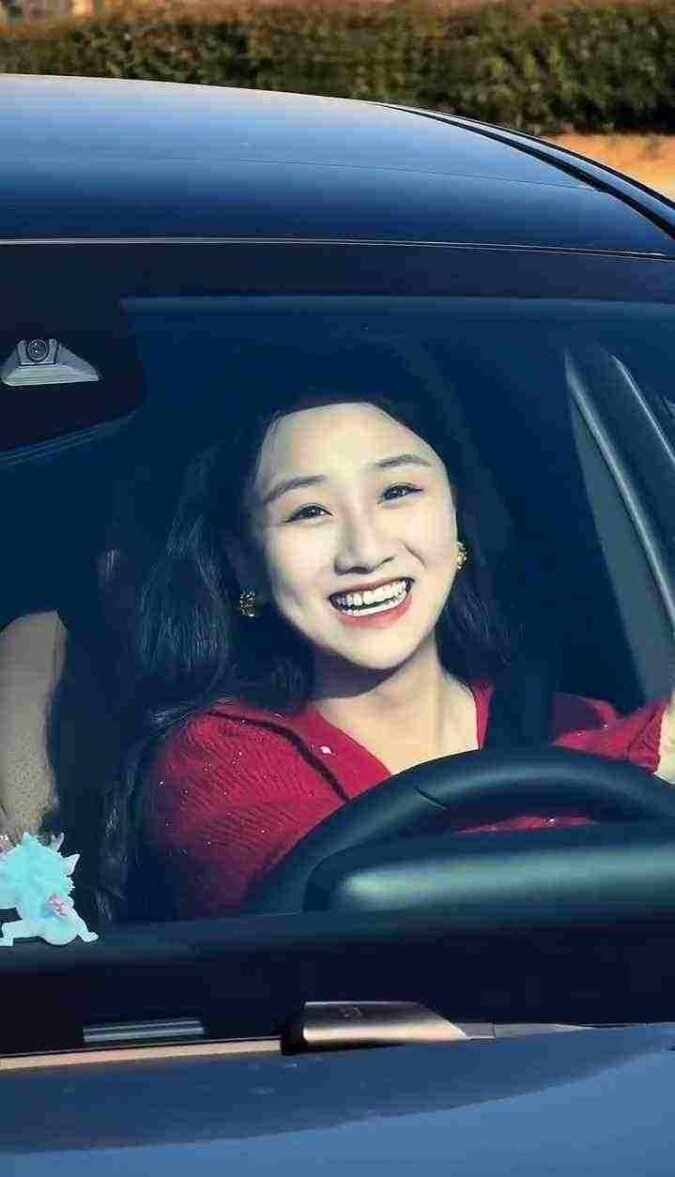
AI can now be used to create many beautiful videos that look like they took a lot of time to make. One popular idea is creating a video with a Mercedes car and your own photo or video. You can show yourself standing beside a Mercedes, create a cinematic car scene, or change the whole look of the background.
Viral Mercedes car Boys Ai Video Editing Tutorial is useful for people who want to create this type of video in a simple way. You do not need to learn anything difficult for this. You only need a good photo or video, the right Prompt, and a few simple steps. With the help of AI, an ordinary photo can be turned into an attractive video scene. This makes AI video editing easier for beginners who want to create stylish car videos for social media.
Viral Mercedes car Boys Ai Video Editing Tutorial
When creating a Mercedes car video with AI, the main thing is to make the person, car, and background look natural together. Mercedes car AI video editing can be used to place your photo inside a beautiful luxury car scene.
You can describe the clothes, car position, lighting, background, and overall look through the Prompt. A clear photo is better for getting a good result. Make sure your face is clearly visible in the photo. Mercedes car boys AI video Editing can be used with boys photos to create cinematic car scenes. After creating the image, you can use it with an AI video tool like Flow AI to turn the scene into a video. By following a few simple steps, you can create the complete video easily.
Turn Simple Photos Into Mercedes Car AI Video Editing
- First, open Google and search for Flow AI. You will see the Flow AI website in the search results.
- Click on it and open the website. After the website opens, sign in with your Gmail account.
- Then click on the Plus icon and select your preferred photo and video. After adding the photo or video, go to the Text option and paste the given Prompt there.
- Wait for a little while and the AI will create a video based on your instructions.
- After the video is ready, click on the video. You will see three dots on the right side.
- Click on that option and save the video to your gallery.
- While adding your photo and video, also check the available settings.
- You can choose the size and other options according to the type of video you want.
- If you are not sure about any setting, check it carefully before creating the video.
Find The Mercedes Car AI Video Editing Material
- Open Google on your mobile and search for Ai Editz.
- You will see the Ai Editz website in the search results. Click on the website and look for the Mercedes car AI video editing post.
- If you cannot find the post, use the Search option on the website and search for Viral Mercedes car Boys Ai Video Editing Tutorial. After a short time, the related post will appear.
- Open the post and scroll down to find the required Prompt and other editing information.
- You can check the content and use the part you need for your editing. You may also find other new AI editing materials on the website.
- These can be useful if you regularly create new photo and video edits.
- So, find the Mercedes AI video editing tutorial you like and follow the steps one by one to create your video easily.
Create an ultra-realistic 10-second REAL-WORLD CAMERA VIDEO using TWO uploaded references.

REFERENCE VIDEO:
Use the uploaded reference video as the exact guide for the car, vehicle movement, camera position, camera movement, framing, lens perspective, timing, scene transitions, environment, lighting, actions, gestures, facial movement and overall composition.

CHARACTER IMAGE:
Use the uploaded character image as the exact identity and appearance reference for the person.

The final video must look like genuine footage recorded with a real professional camera of a real person physically sitting inside a real black Mercedes-Benz sedan.

DO NOT CREATE A 3D RENDER.
DO NOT make the car look CGI, computer-generated, game-engine rendered, digitally modeled or artificially reconstructed.
DO NOT make the person look AI-generated, plastic, overly smooth, beautified or digitally composited.

REAL CAMERA APPEARANCE:

Use physically believable real-world camera optics.

Natural exposure and dynamic range.
Natural highlight roll-off.
Realistic shutter behavior and motion blur.
Natural depth of field.
Natural lens distortion.
Natural focus transitions.
Subtle realistic sensor noise and grain.
Natural micro-contrast.
Realistic reflections and shadows.
Realistic ambient light.
Natural skin texture and fine facial details.

Avoid excessive sharpness, HDR, oversaturation, artificial glow, excessive contrast, glossy skin or digitally perfect surfaces.

The final footage should contain the small optical imperfections normally found in genuine camera footage.

IDENTITY PRESERVATION:

Preserve the exact identity of the person from the uploaded character image.

Keep the same:

Face shape
Eyes
Eyebrows
Nose
Lips
Jawline
Chin
Cheeks
Skin tone
Hairline
Hairstyle
Facial hair
Age appearance
Natural facial proportions
Body proportions
Outfit and overall appearance

Do not redesign, beautify or alter the face.

Do not smooth the skin.
Do not reshape the jaw.
Do not enlarge the eyes.
Do not modify the nose or lips.
Do not make the face unnaturally symmetrical.

Preserve natural pores, tiny skin imperfections, realistic facial asymmetry and authentic skin texture.

The person's identity must remain stable throughout the entire video with zero identity drift.

FACE AND EYES:

The eyes must look physically real, with natural wetness, reflections and realistic blinking.

Facial expressions must come from subtle realistic facial muscle movement.

No frozen expression.
No rubber-like facial movement.
No face warping.
No morphing.
No unnatural eye movement.

HAIR:

Preserve the person's hairstyle and natural hair texture.

Individual strands should behave naturally during head movement.

Avoid painted, plastic or artificially perfect hair.

HANDS:

Maintain anatomically correct hands throughout the entire video.

Exactly five fingers per hand.
Correct finger joints.
Correct wrist movement.
Natural fingernails.
Realistic skin texture.
Correct hand proportions.

No extra fingers.
No missing fingers.
No fused fingers.
No malformed palms.
No disappearing or duplicated fingers.

REAL MERCEDES-BENZ:

The black Mercedes-Benz must appear to be a real photographed physical vehicle.

Maintain realistic:

Metallic black paint
Clear-coat reflections
Mercedes emblem
Grille
LED headlights
Windshield
Side mirrors
Body panels
Panel gaps
Rubber seals
Tires
Dashboard
Steering wheel
Leather seats
Interior materials

The black paint must naturally reflect the surrounding environment.

Do not create perfectly smooth CGI bodywork.
Do not create impossible reflections.
Do not make the car appear like a 3D model.

The windshield must behave like real automotive glass with realistic transparency, reflections, subtle tint, refraction, glare and highlights.

CAR MOVEMENT:

Recreate the exact vehicle movement from the reference video.

If the Mercedes approaches the camera, its apparent size must increase through real physical movement in space.

Do not simulate movement using digital zoom.

As the vehicle approaches, the grille, headlights, hood and windshield should naturally become larger in the frame.

Perspective must change naturally according to the changing distance between the physical camera and the physical vehicle.

Maintain realistic wheel rotation, body movement and vehicle acceleration.

The car must never slide, float, stretch, morph or move like a 3D animation.

CAMERA:

Reproduce the reference video's camera behavior as closely as possible.

Match:

Camera height
Camera distance
Lens perspective
Field of view
Framing
Camera movement
Camera speed
Acceleration and deceleration
Focus behavior
Motion blur
Timing

The camera must feel physically positioned in the real environment.

Do not invent new camera movements.

Do not use artificial digital zoom.

Do not orbit around the car unless the reference video contains an orbit.

Do not create drone-like movement unless it exists in the reference.

SCENE 1 — EXTERIOR:

Recreate the opening exterior shot from the reference video.

The real black Mercedes approaches the camera with the same front-facing composition and movement.

As the car comes closer, naturally reveal more detail in the grille, Mercedes emblem, headlights, hood and windshield.

The driver remains physically inside the vehicle.

Realistic windshield reflections should interact naturally with the driver's face without completely obscuring the identity.

Match the reference video's environment, daylight or nighttime conditions, shadows and reflections.

SCENE TRANSITION:

At exactly the same moment as the reference video, cut or transition into the interior shot.

Do not invent a different transition.

SCENE 2 — INTERIOR:

Recreate the interior composition from the reference video.

The person sits naturally in the driver's seat of the black Mercedes.

Show the real steering wheel in the foreground.

Show realistic dashboard materials and beige or cream leather interior.

The person looks naturally toward the side and then toward the front or camera according to the reference.

One hand remains naturally positioned on or around the steering wheel whenever required by the reference.

The interior must remain physically consistent throughout the shot.

NIGHT INTERIOR:

If the reference shows nighttime conditions, maintain a realistic dim nighttime interior.

Use subtle cool ambient lighting and natural dashboard illumination.

Do not add artificial studio lighting, excessive cinematic glow, fake rim lighting or neon lighting unless visible in the reference.

Maintain realistic windshield reflections and subtle exterior light entering through the glass.

BODY MOTION — EXACT SEQUENCE:

0.0–1.2 SECONDS:

The person sits naturally behind the steering wheel.

Upper body remains relaxed and centered.

Both shoulders remain stable.

He looks toward the camera with a calm natural expression.

Very subtle breathing movement is visible in the chest and shoulders.

Natural blinking occurs.

Hands remain in a believable driving position.

1.2–2.5 SECONDS:

He begins moving his upper body slightly toward the camera.

The head follows the torso naturally.

A subtle smile begins.

One hand gradually lifts away from the steering wheel.

Track the complete movement naturally from shoulder to elbow to wrist to fingers.

Every joint must move with realistic human anatomy.

No floating hands.
No disconnected arms.
No unnatural wrist rotation.

2.5–3.8 SECONDS:

He raises one hand beside his face and makes a casual two or three-finger gesture matching the reference.

The elbow bends naturally.

The wrist rotates slightly.

Each finger moves independently with realistic joint articulation.

At the same time, he tilts his head slightly to one side.

His eyes remain directed naturally toward the camera.

His expression becomes subtly playful and confident without becoming exaggerated.

3.8–5.2 SECONDS:

He gradually lowers the raised hand.

His smile becomes slightly wider.

Show natural cheek movement and a subtle eye squint.

His head moves partially back toward the center.

Shoulders, neck and head must move together naturally.

The steering wheel, dashboard, seats and surrounding car interior remain physically stable.

5.2–10.0 SECONDS:

Continue the remaining movement, expression, hand position, head position and camera behavior exactly according to the uploaded reference video.

Match the reference video's final pose, facial expression, timing and composition.

The person's identity must remain unchanged until the final frame.

FINAL EXPRESSION:

End with the same final expression and head position shown in the reference.

The person gives a subtle, natural smile.

Do not exaggerate the smile.

Maintain realistic skin texture, facial asymmetry, natural eye reflections and authentic human expression.

LIGHTING:

Match the lighting conditions of the reference video exactly.

Light must interact naturally with:

Skin
Hair
Windshield glass
Mercedes paint
Chrome
Dashboard
Steering wheel
Leather seats
Interior surfaces

Shadows must have realistic softness, direction and intensity.

No artificial studio lighting.
No excessive cinematic glow.
No fake rim lighting.
No unrealistic light sources.

COLOR AND IMAGE QUALITY:

Use natural real-camera color science.

Maintain realistic skin tones.
Natural black Mercedes paint.
Natural beige or cream interior.
Natural highlights and shadows.

Avoid:

HDR appearance
Excessive saturation
Excessive contrast
Artificial sharpening
Plastic skin
Glossy skin
CGI reflections
Perfectly clean surfaces
Artificial cinematic effects
AI-looking textures

PHYSICAL CONSISTENCY:

The car interior, steering wheel, dashboard, windows, seats and body must remain consistent from frame to frame.

The person's hands, arms, face, hair and clothing must remain physically connected and temporally consistent.

No object should suddenly change shape, position or material.

No face morphing.
No body warping.
No clothing flickering.
No background distortion.
No duplicated objects.

FINAL GOAL:

The finished 10-second video must be indistinguishable from genuine real-world footage captured with a professional DSLR or mirrorless camera.

It should feel like a real person sitting inside a real black Mercedes-Benz, filmed in a real physical environment with real optics, real lighting, realistic motion blur, realistic reflections and natural human movement.

PRIORITY ORDER:

1. Exact identity preservation
2. Real human anatomy and movement
3. Exact reference-video movement and timing
4. Real Mercedes physical appearance
5. Real camera optics and perspective
6. Natural lighting and reflections
7. Temporal consistency
8. Realistic skin, hair and hands
9. Natural color and exposure
10. No CGI or AI-generated appearance
A Mercedes Scene Can Change Everything
An ordinary photo can sometimes look very simple. But when you add a beautiful Mercedes car scene to the photo, the whole look can feel different. AI can combine the car, road, lighting, and background to create a cinematic environment. The most important thing is to use a good photo and clearly explain what you want in the Prompt.
If the photo has low lighting, AI can create a brighter and more attractive scene. You can also change a daytime photo into a night environment. However, the result may not always be perfect on the first try. Sometimes you may need to change the Prompt and try again. So, make small changes according to your choice and see which result looks better.
Create Your Own Luxury Car Story
One of the most interesting things about AI video editing is that you can turn an ordinary photo into a small visual story. You can create a cinematic Mercedes scene and make your photo the main part of the video. You can create scenes where you are standing beside the car, walking toward the car, or standing in front of the car.
The Prompt is important because it tells the AI what type of scene you want. You can add simple details such as night lighting, city roads, a beautiful background, or cinematic lighting.
There is no need to write a very complicated Prompt. Clear and simple instructions are easier for the AI to understand. You should also check the photo and video size before starting. This can help you create a video that looks good on Instagram Reels and other short video platforms.
Conclusion
Creating an AI video with a Mercedes car and your own photo is now much easier than before. Mercedes car AI video editing does not require advanced technical knowledge. You only need a good photo, the right Prompt, and a few simple steps to create your own cinematic video.
If the first result does not look the way you want, you can change some parts of the Prompt and try again. With practice, you can understand which type of instructions gives better results. Viral Mercedes car Boys Ai Video Editing Tutorial can help you turn your photo into a beautiful cinematic car scene. So, follow the steps carefully and create the video according to your own style.